Español
  Deutsch
  Français
  Nederlands
Signs that may indicate stomach or intestinal problems
The symptoms listed below are common in dogs with sensitive digestive systems. They do not necessarily mean that something serious is wrong, but they do warrant attention:
Variations in stool consistency
Stools that are firm one day and soft or loose the next often indicate an imbalance in the gut. This may be related to sudden changes in dog food or a diet that is too complex.
Eating a lot of grass
Eating grass can be a way to relieve nausea. If this happens regularly, it may indicate heartburn or mild irritation of the stomach lining.
Munch and swallow
Excessive smacking of the lips may indicate acid reflux. This is sometimes made worse by large portions or foods that are difficult to digest.
Flatulence and Drinking
Excessive gas often occurs when food is not digested properly. Some dog kibble contain multiple protein sources or ingredients that are difficult to digest, which can exacerbate this.
Frequent vomiting
Occasional vomiting may be harmless, but when it occurs more frequently, it warrants attention—especially if it’s related to eating or being on an empty stomach.
Loss of appetite
A dog that normally eats well but suddenly shows less interest may be experiencing discomfort after a meal.
How to Address Complaints Effectively
When multiple signs appear at once, uncertainty can quickly set in. Still, it’s important not to make drastic changes right away. Stomach and intestinal issues rarely call for an abrupt change in diet. A dog’s body responds better to structure and simplicity than to rapid changes.
A well-thought-out approach starts with restoring balance to your dog’s diet. By taking a step-by-step approach and adjusting one factor at a time, you can clearly identify what’s having an effect. This prevents you from constantly switching from one product to another without really understanding what your dog needs.
Step 1: Create a sense of calm and routine
Before you immediately turn to other foods, structure is essential. Eat at set times, divide large portions into two meals if necessary, and avoid sudden changes. Temporarily limit extras, even when you normally healthy dog treats This gives the digestive system a chance to stabilize.
Step 2: Keep the ingredients simple
If symptoms persist, it’s wise to take a critical look at the composition of the diet. The longer and more complex the ingredient list, the greater the risk of overloading the system. A diet with a single, clearly identified source of animal protein can provide relief.
Sometimes a veterinary diet is used for persistent symptoms, but even within a regular diet, simplicity can make a big difference.
Step 3: Consider targeted adjustments
Are the symptoms recurring? If so, a more targeted choice might help. Consider an easily digestible formula or, if necessary, grain-free dog food if you suspect that you have trouble digesting grains. This doesn’t have to be a permanent solution, but it can help temporarily relieve the strain on your intestines.
The form of the food can also have an impact. Some dogs respond better to easily digestible wet food, while others find stability in dry food with a simple composition.
When should you take action?
Minor improvements in stool consistency or appetite may become noticeable within two to three weeks. Give your pet’s body that much time. If symptoms remain severe or worsen, it’s wise to consult a veterinarian—especially in cases of persistent vomiting, blood in the stool, or obvious lethargy.
The Power of a Simple Journal
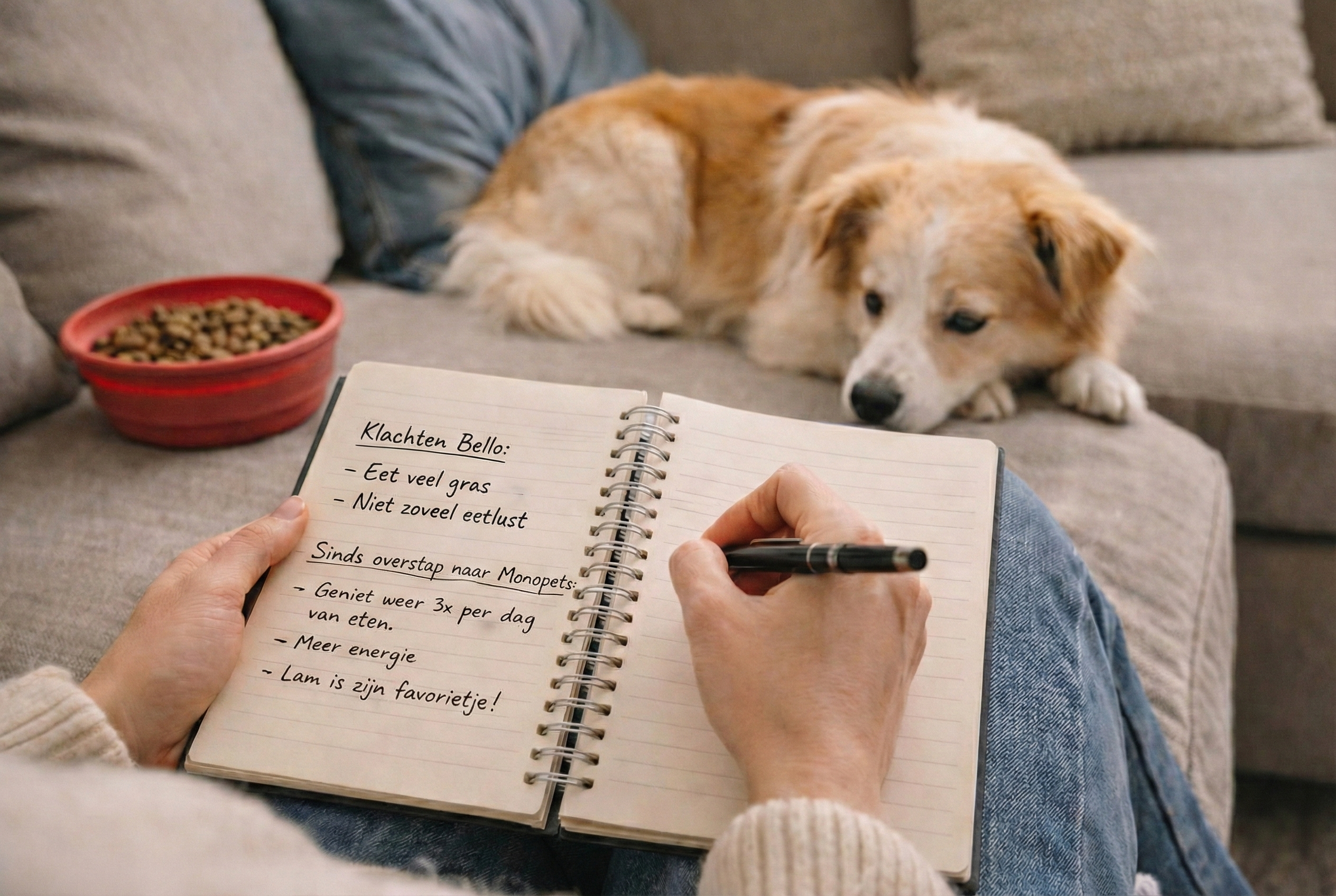
A practical tip that’s often underestimated: keep a small food diary. Write down the following every day:
- What Your Dog Eats
- What snacks or extras he gets
- What the stool looks like
- Any complaints or special circumstances
Within a few weeks, patterns will become apparent. Your dog may react more strongly to certain ingredients or, conversely, to varying portion sizes. This insight will help you make informed choices.
A Gentle Path to Recovery
Stomach and intestinal problems rarely call for drastic measures. Often, the solution lies in structure, simplicity, and patience. By taking it step by step and observing closely, you give your dog’s body a chance to regain its balance.
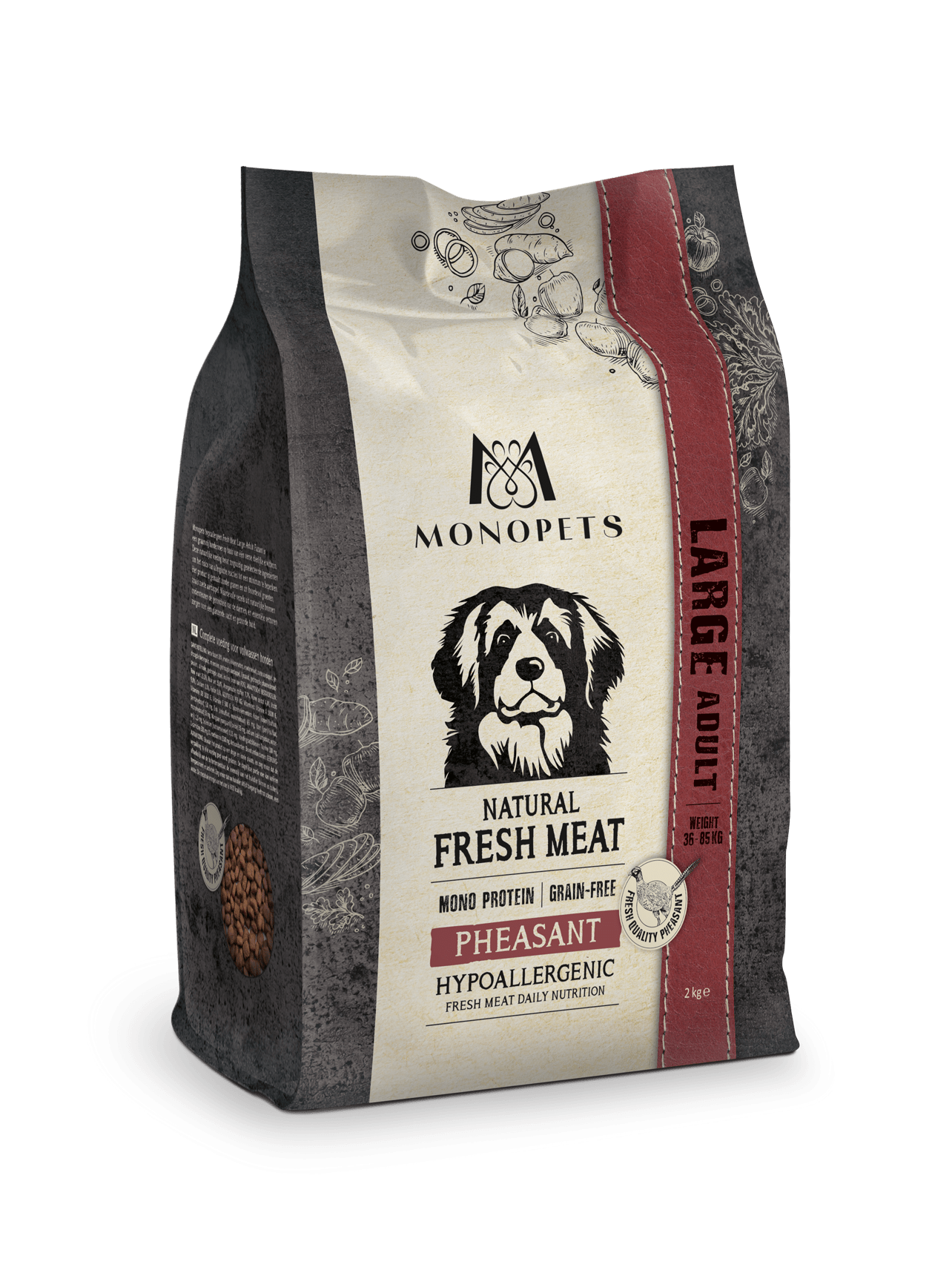
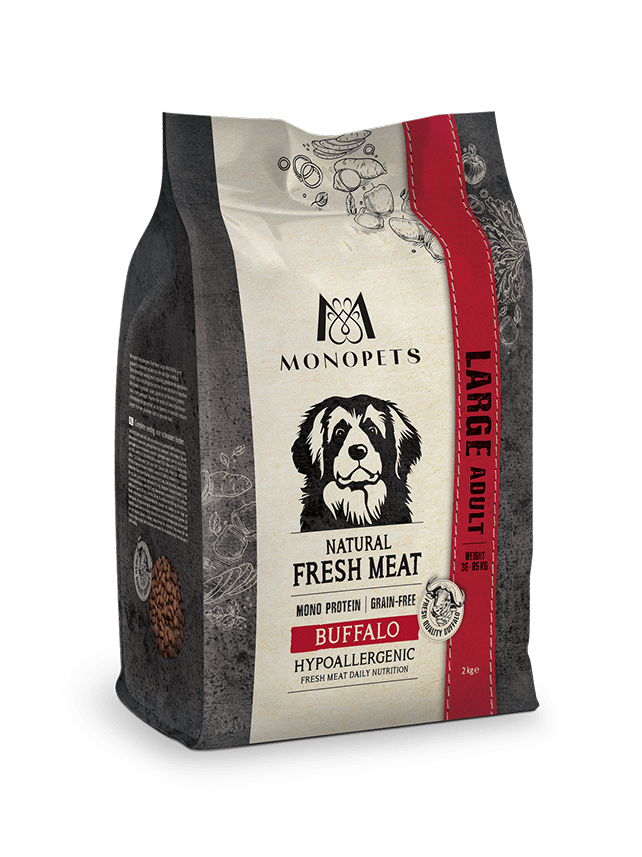
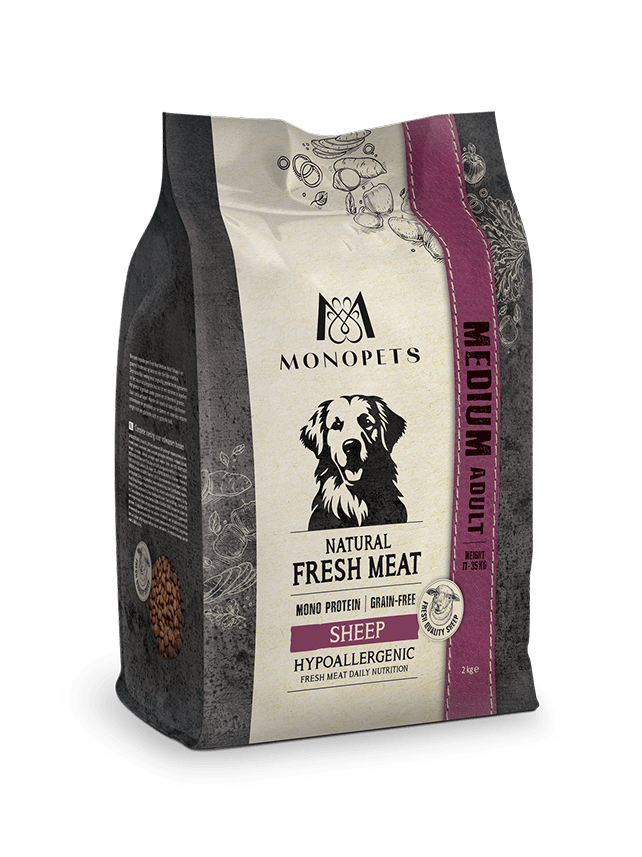
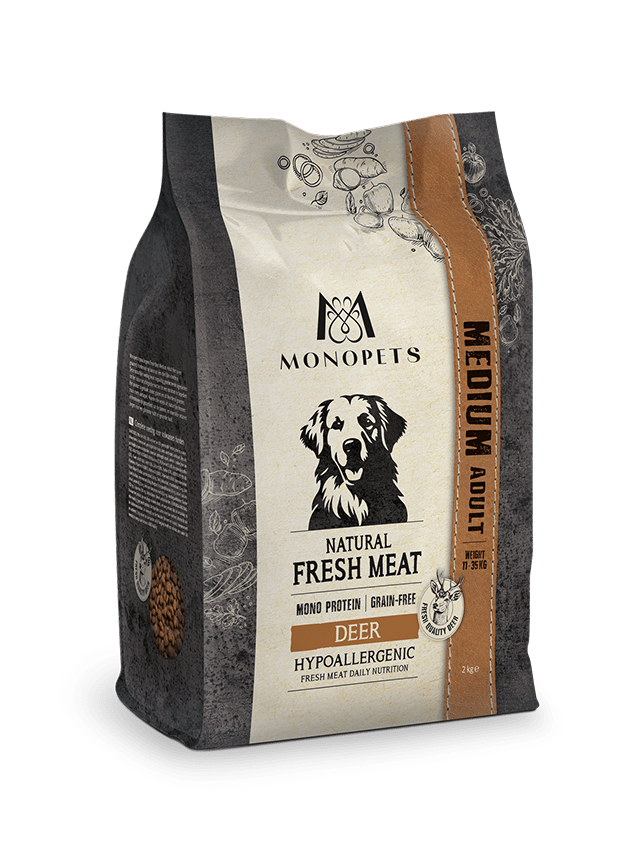
Discover the easily digestible Monopets options and give your dog’s stomach a chance to settle. Not sure which one to choose? Feel free to contact our experts for personalized advice tailored to your dog’s specific needs.
 Veterinary diet

 Medium dog (11 - 32 kg)
 Large dog (> 33 kg)


 Small dog (2 - 10 kg)
  Daily food