Español
  Deutsch
  Français
  Nederlands

What exactly is a microbial protein source?
Microbial protein is protein that does not come from animals or plants, but from microorganisms. Examples include bacteria, yeasts, fungi, or algae that are cultivated through a fermentation process. During this fermentation process, the microorganisms are fed a substrate, after which they multiply and form a protein-rich biomass. This biomass is then processed into a high-quality protein source suitable for dog food.
The end result is a protein with a complete amino acid profile, comparable to animal proteins, but derived through a completely different process. It contains no meat, no fish, and no plant-based ingredients such as soy or chickpeas. Microbial protein is in a category of its own, and that’s precisely what makes it interesting for dogs with specific nutritional needs.
How does microbial protein differ from chicken, meat, or fish?
When it comes to traditional animal protein sources such as chicken, lamb, or salmon, we’re talking about muscle and organ meat that comes directly from an animal. A dog has likely consumed these proteins many times throughout its life. That’s exactly the point.
When a dog is repeatedly exposed to the same protein source, its immune system may begin to recognize that source as a threat. The result is an allergic reaction or food intolerance. Common symptoms include itching, a dull coat, or irregular stools, and they can sometimes be difficult to trace back to a single specific cause.
Microbial protein is completely new to most dogs. Their immune systems have generally never been exposed to it, which significantly reduces the risk of an allergic reaction. As a result, it fits perfectly within hypoallergenic dog food: Simplicity and avoiding known triggers are key.
Why Microbial Protein Is Easily Digestible
A common misconception is that an innovative protein source is automatically harder on the stomach. Microbial protein proves the opposite. Its structure is compact and easily digestible, making it a good choice for dogs with sensitive digestive systems.
That’s also why it works so well with grain-free dog food. Without wheat, corn, or rice, the recipe remains simple and low-allergen. Add a single source of protein that’s new to the dog, and you have a diet that leaves little room for unnecessary reactions.
Dogs that regularly experience one or more of the following symptoms often benefit from a new protein source, such as microbial protein:
- Irregular bowel movements or recurring flatulence.
- Itching or skin irritation with no apparent cause.
- A selective appetite or reduced interest in food.
If your dog is experiencing any of the symptoms listed above, it might be time to switch to a new, single-source protein. This will give your dog’s body a break, since there will no longer be any known irritants entering its system.
Sustainably harvested and fully nutritious
In addition to its benefits for sensitive dogs, microbial protein also has a strong environmental profile. Compared to traditional meat or fish production, it requires significantly less land, water, and energy. That makes it one of the most sustainable protein sources available today.
At the same time, the nutritional profile is complete. Microbial protein contains all the essential amino acids a dog needs, including those for:
- Muscle maintenance and recovery after exercise.
- Healthy skin and a shiny coat.
- A healthy immune system.
A microbial protein source is therefore not a compromise compared to animal proteins. For many dogs, it is a complete alternative that is also better suited to their specific sensitivities.
A Balanced Diet Centered on Microbial Protein
A diet based on microbial protein works best when the rest of the daily diet is also well-balanced. That starts with the main meal, but it doesn’t stop there.
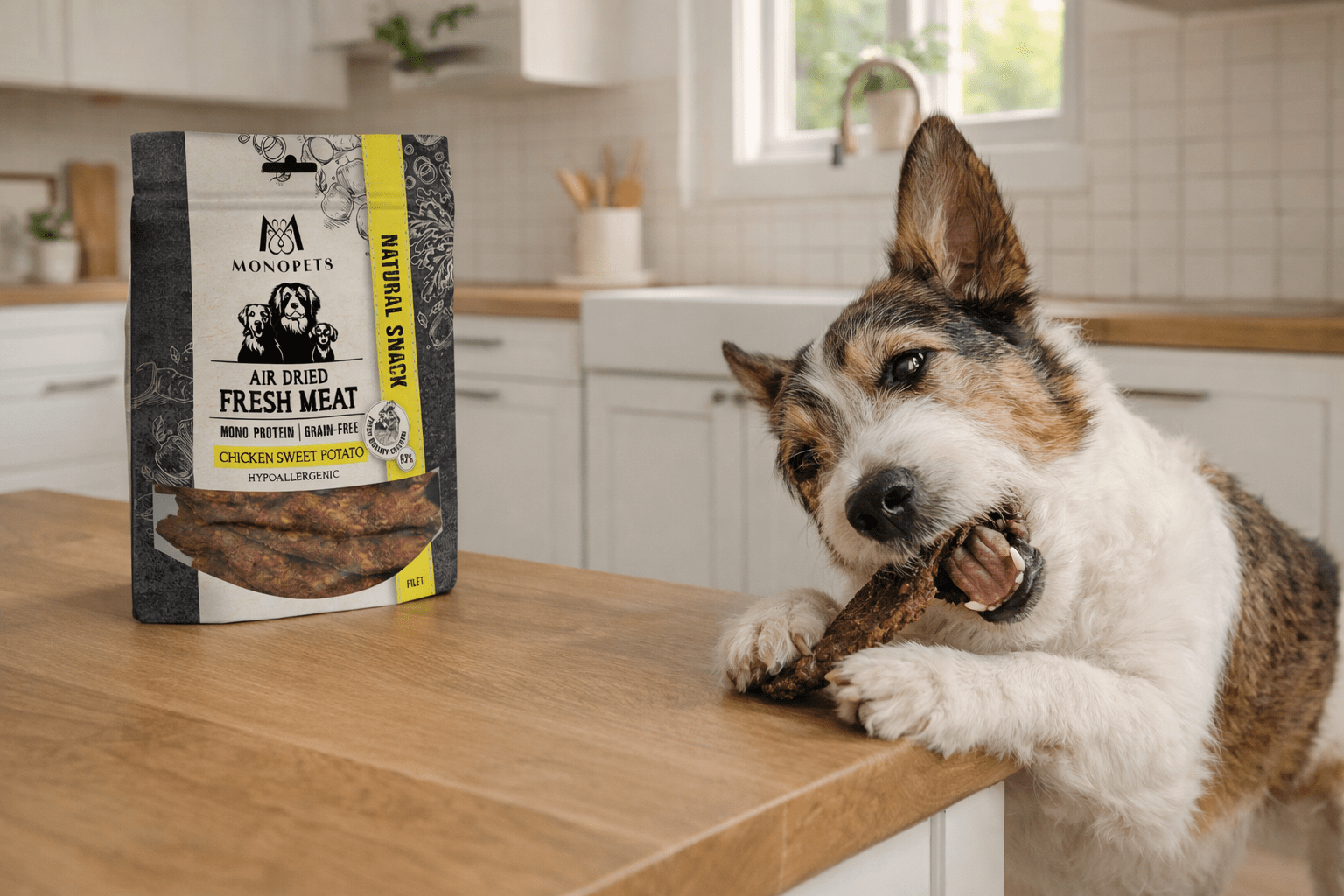
If you choose microbial protein as part of your dog’s daily diet, it’s a good idea to also include provide healthy snacks for your dog that fit that pattern. Treats containing other animal proteins can quickly complicate the diet, making it harder to determine what your dog responds well to.
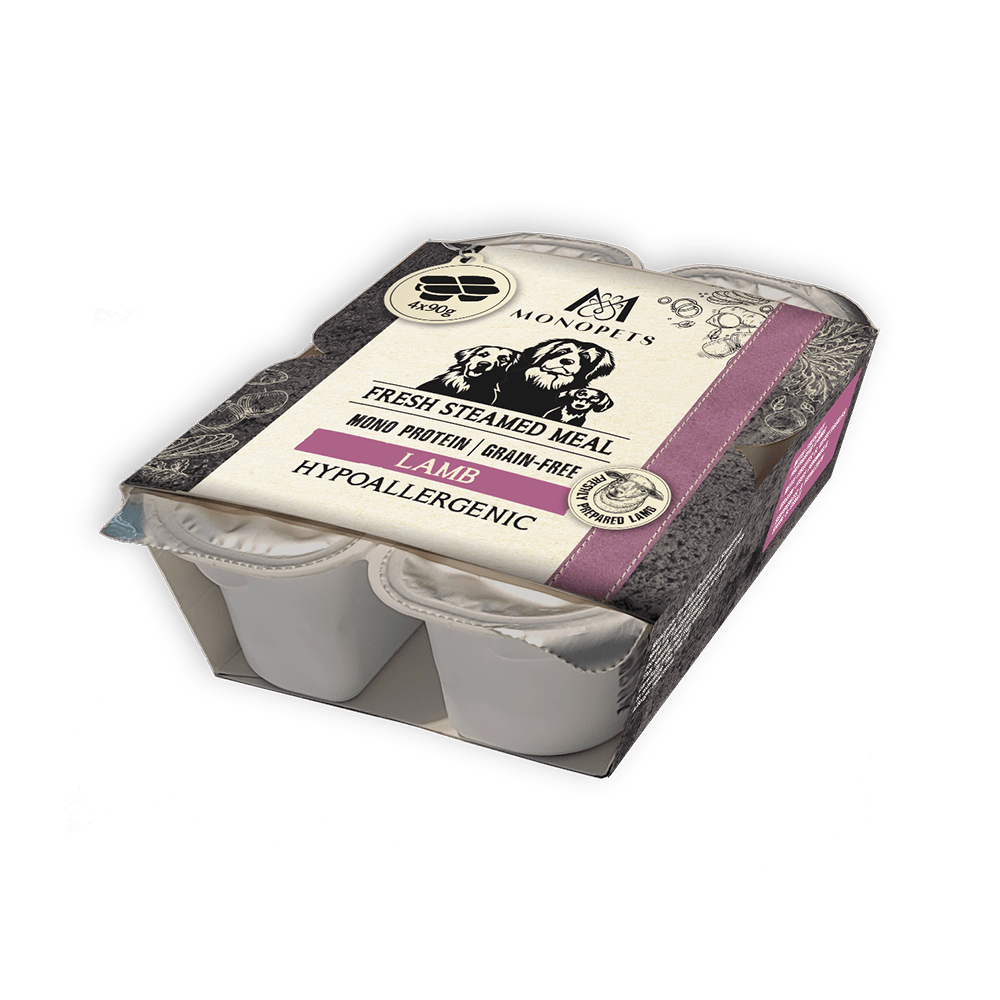
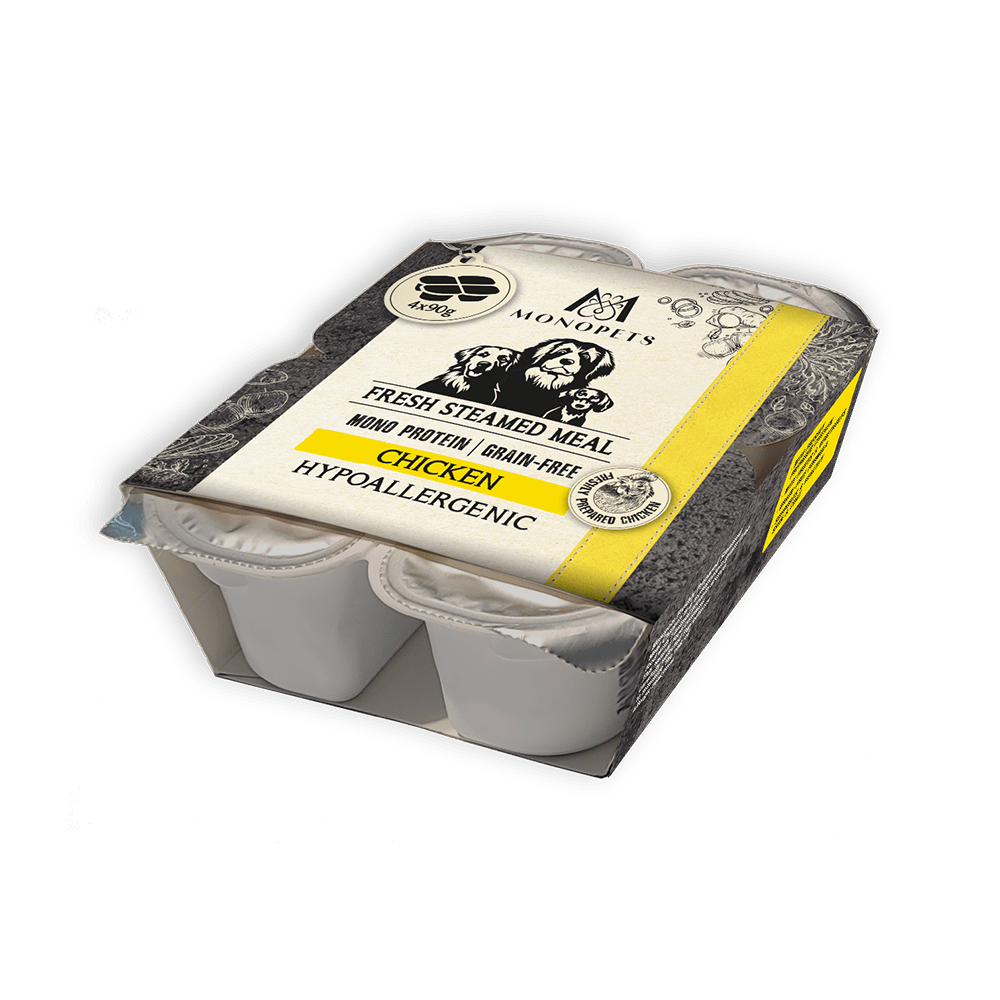
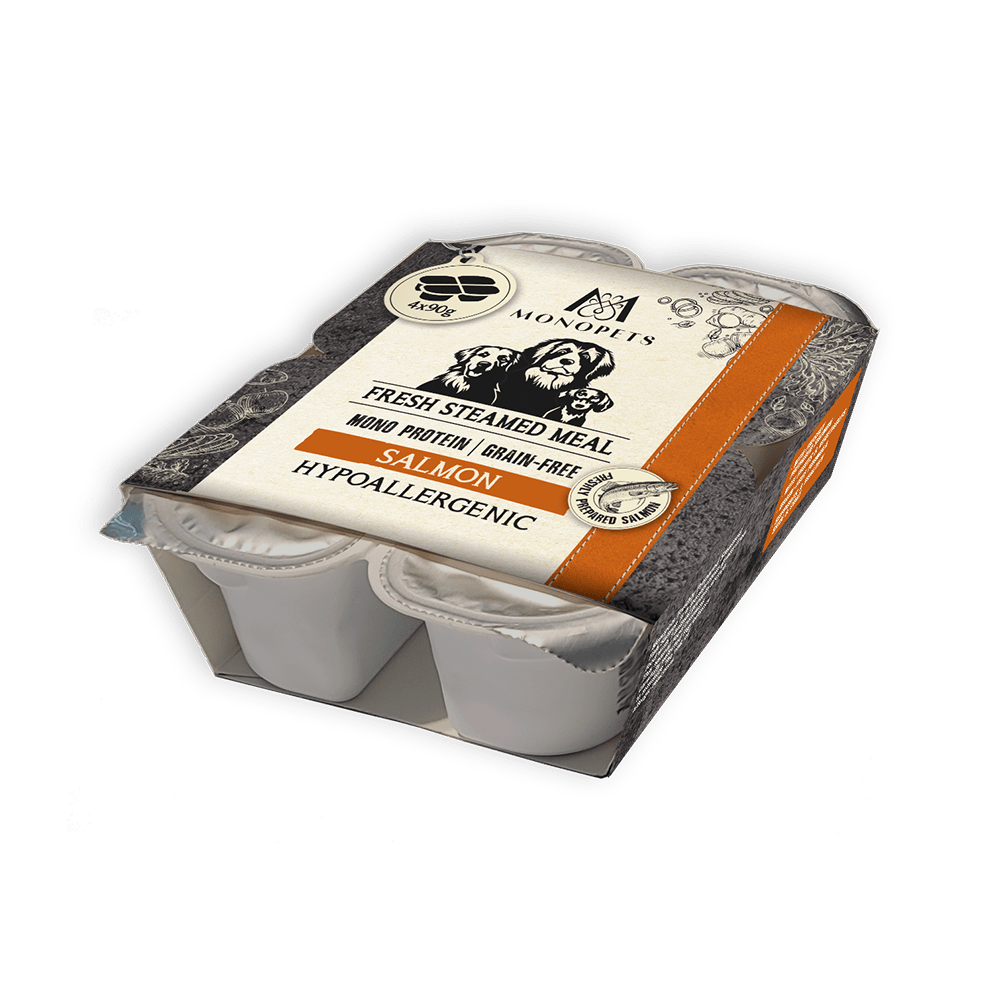
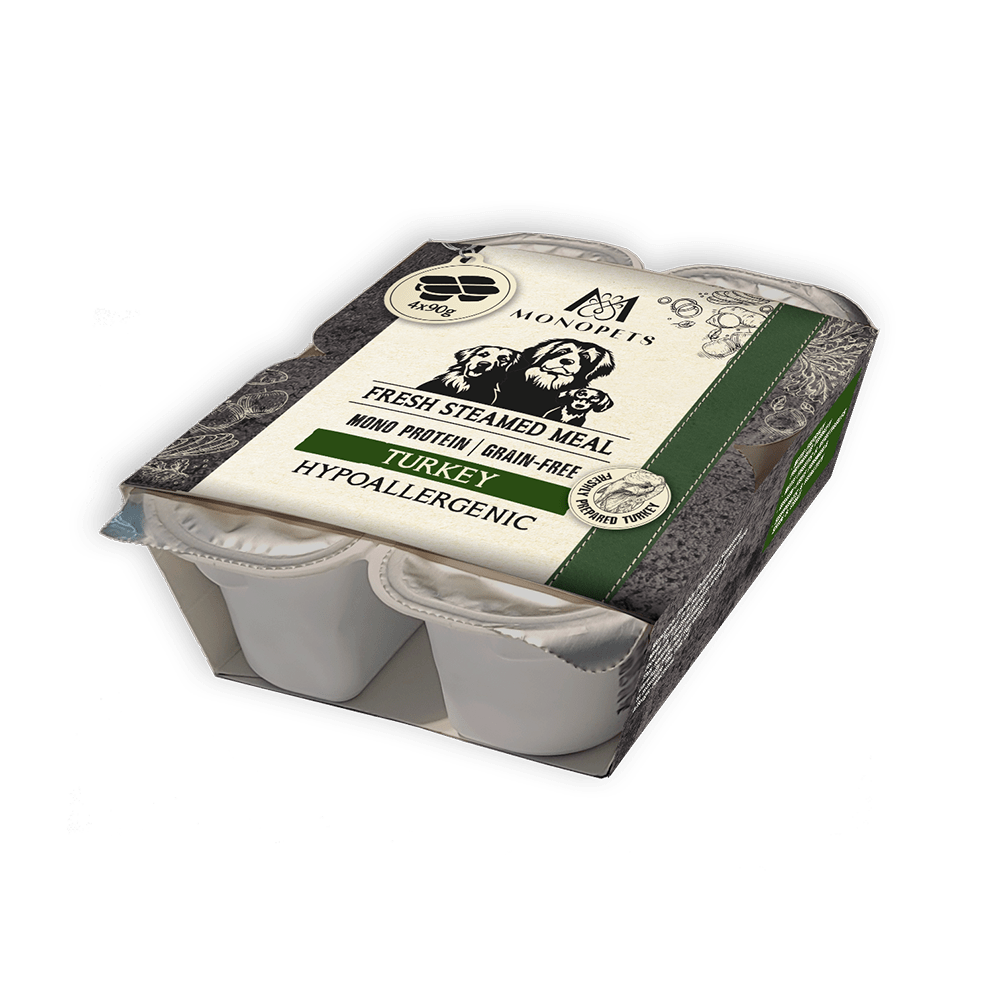
If you want to supplement or vary your diet, then steamed meals with a single source of animal protein or a serving of wet food be a good addition. The same rule applies here: keep the protein source consistent. This helps your dog’s body maintain the balance that is reflected in his coat, his stool, and his energy levels.
Microbial Dog Food at Monopets
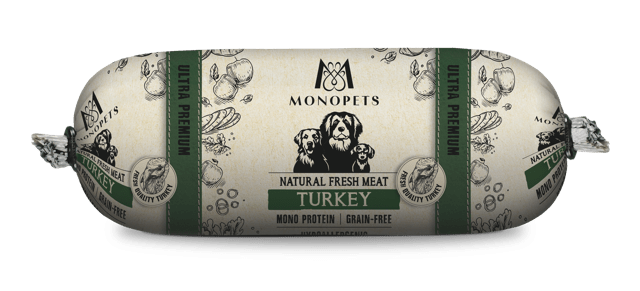
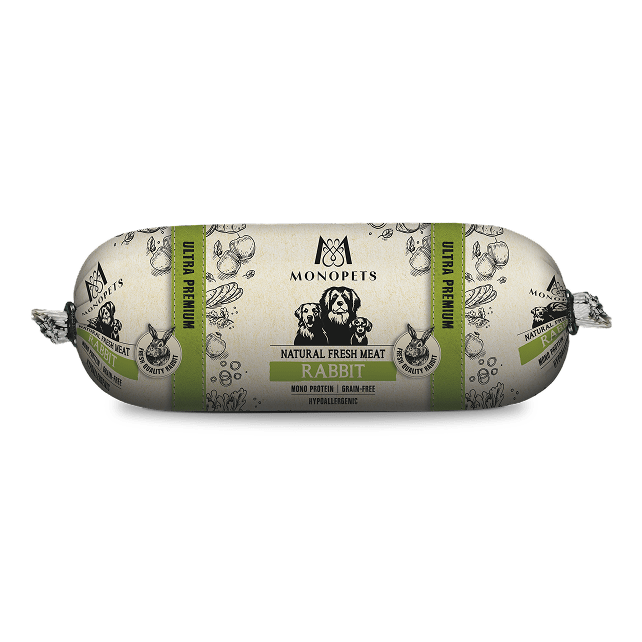
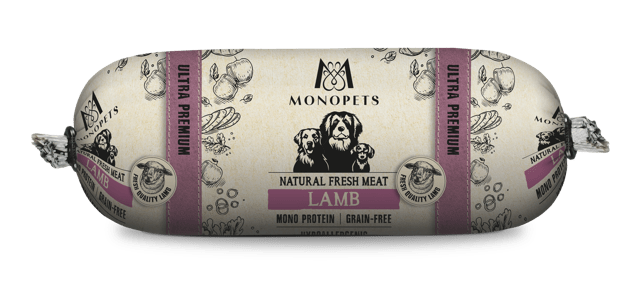
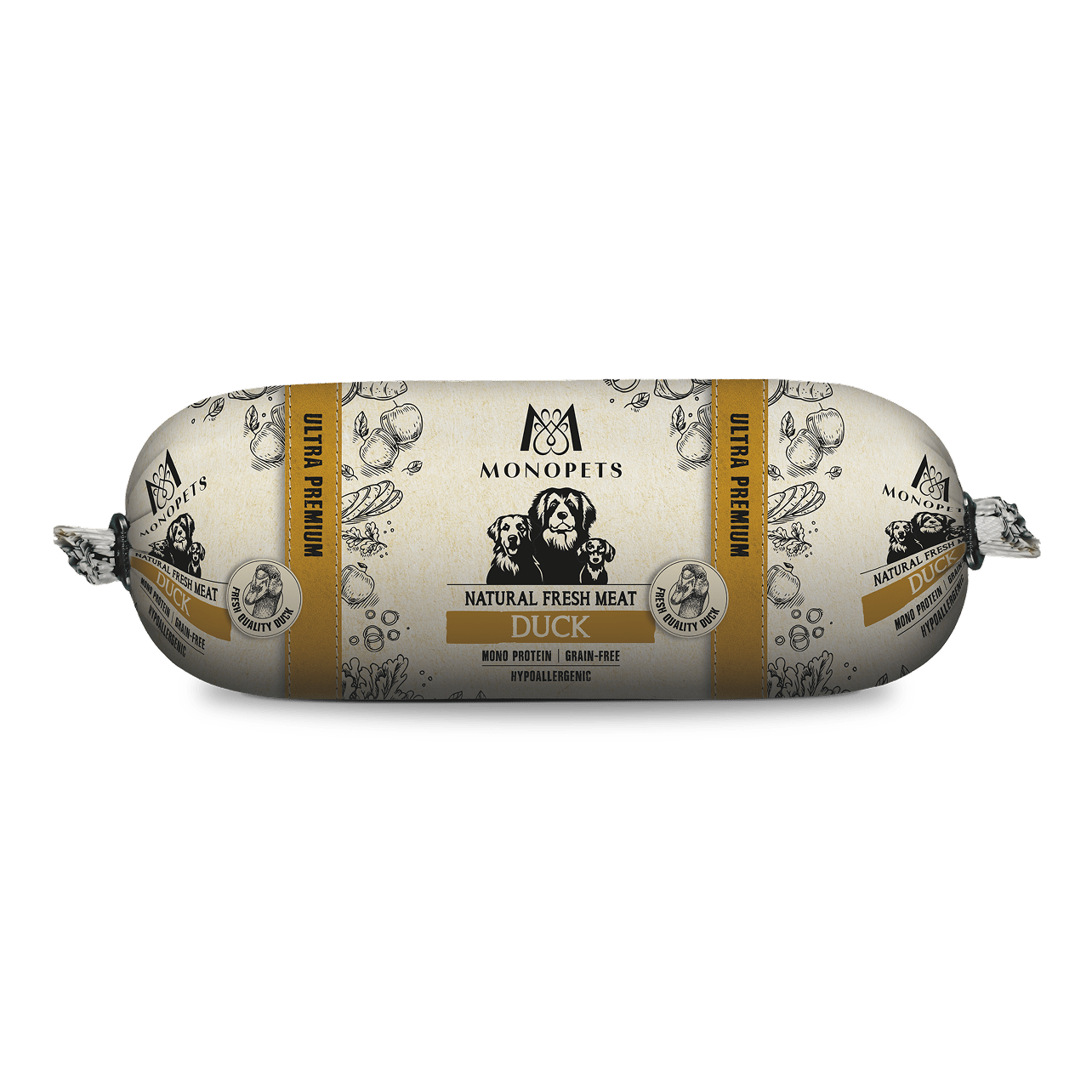
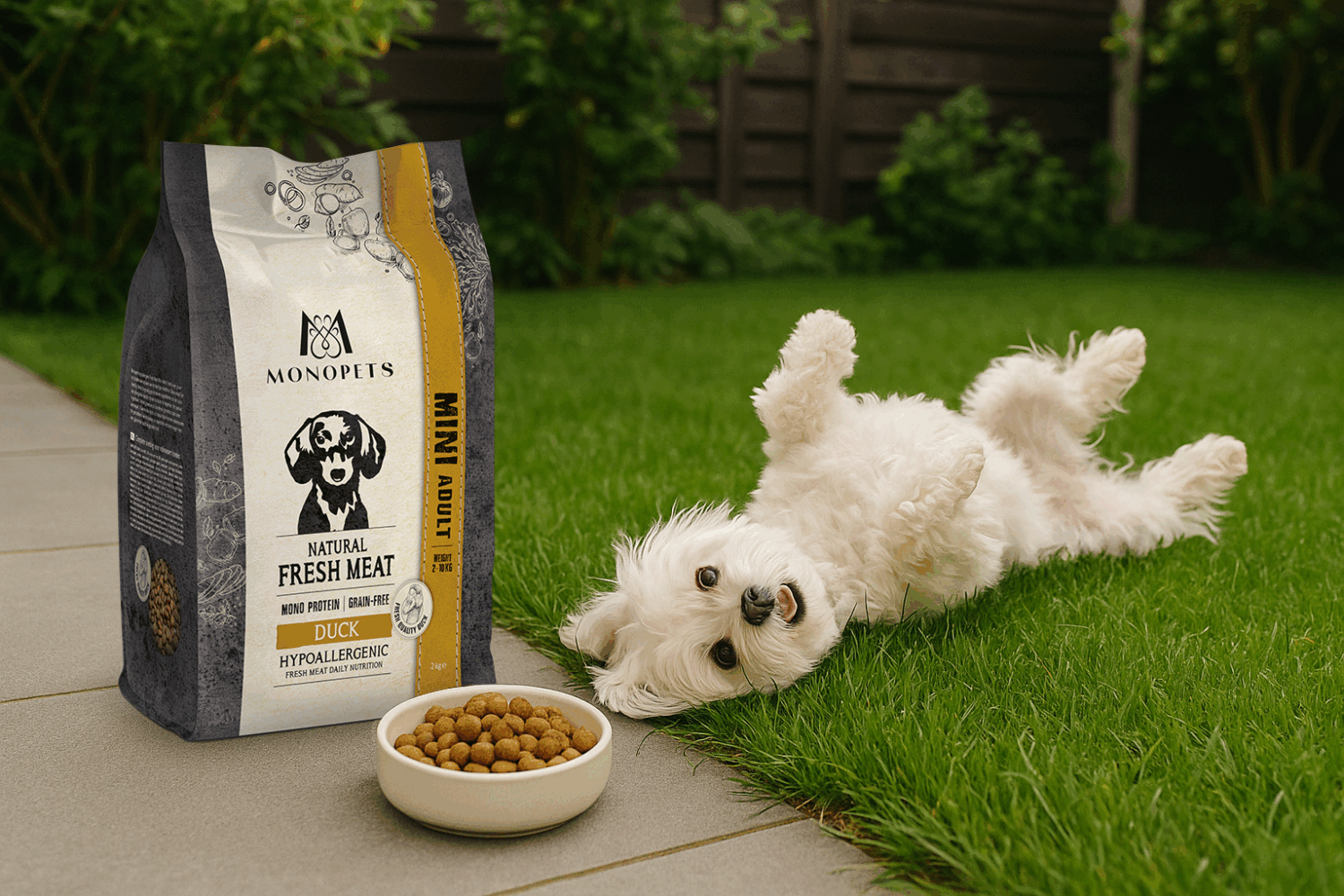
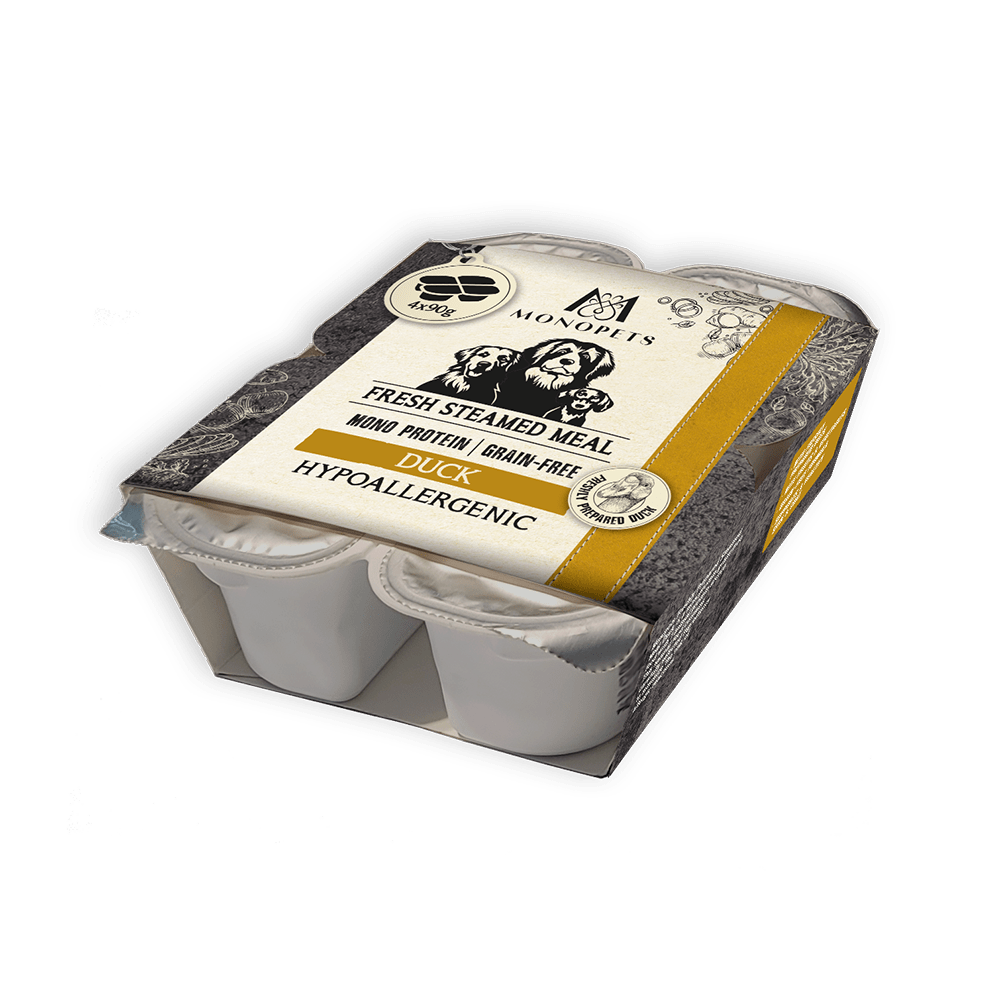
At Monopets, the microbial variant is the only exception to our line of animal protein sources, simply because the protein comes from a different source. Nevertheless, it is fully in line with our brand’s philosophy: one recognizable protein source per product, completely grain-free, and easily digestible. Our products are all developed in collaboration with nutritionists and veterinarians, and tailored to dogs that benefit from a new, hypoallergenic protein.
You might be surprised to learn that many dogs immediately take a liking to the microbial variety. Even picky eaters respond remarkably well to it, which makes giving it a try a lot easier than you might expect.
Wondering if microbial food is right for your dog? Find out Our complete product line and find the option that best suits your pet’s sensitivities, size, and age.

 All sizes
 Veterinary diet

 Daily food